Three terms are prominently used in bencao texts — and different authors from different historical eras describe them in contradictory ways. One of the most significant challenges for the interpretation of bencao records Gushers hybrid strain review related to cannabis lies in the traditional terminology used to describe the flowering tops of the plant. However (despite the prominence of the achenes in ancient and modern applications), contemporary and historical texts contain contradictions related to nomenclature that remain poorly resolved. No named formulas that feature the inflorescence of cannabis are found in the Great Encyclopedia of Chinese Medicinal Formulas (中醫方劑大辭典 Zhong Yi Fang Ji Da Ci Dian), which contains 96,592 historical formulas and features 69 formulas that utilize the achenes of cannabis as a primary ingredient (Peng, 2005).
TM is also variously known as complementary and alternative (or ethnic medicine), and it still plays a key role in many countries today 24,25. TM is the oldest form of health care in the world and is used in the prevention — and treatment of physical and mental illnesses. Therefore (there is great potential for future discoveries from plants and other natural products which), thus, offer huge potential in deriving useful information about novel chemical structures and their new types of action related to new drug development. Among 69 small-molecule new drugs approved from 2005 to 2007 worldwide, 13 were natural products or originated from natural products, which underlines the importance of such products in drug research and development 12,13.
In the cultures of Native Americans — this is more than just a plant; it acts as a bridge to deeper understanding, a healer, a protector, and a source of guidance. This experience is not only about changing perceptions; it involves reconnecting with nature and ancestral spirits (clearing away the old), and allowing new growth to emerge. From a drum circle in the urban core to a serene meditation in the forest, cannabis serves as a trigger for connection and spiritual discovery. Cannabis played a crucial role during sacred ceremonies intended for healing or vision quests, aiding shamans and spiritual leaders in reaching the intangible and establishing connections with ancestral spirits.
An investigation into the medicinal flora of the Meketewa District in northwestern Ethiopia
Scientific study of traditional medicine can also unlock new therapeutic insights, creating synergy that improves outcomes and delivers truly comprehensive health care. It emphasizes prevention and balance – body, mind, and environment – while addressing lifestyle and psychosocial factors often overlooked in conventional treatment. This may include improving documentation, supporting research, ensuring consistent quality standards, and building regulatory systems that protect both practitioners and patients. Through these areas, WHO helps countries safely and effectively integrate TCIM into health systems, contributing to better health outcomes and more inclusive, culturally responsive care. WHO supports countries in promoting the safe (effective), and people-centred use of TCIM as part of efforts to achieve universal health coverage and the Sustainable Development Goals. Concerted efforts to develop new methodologies that provide credible and robust evidence to recommend their use for specific health conditions are needed.
In this blog — we explore how different indigenous peoples have utilized cannabis, shedding light on its significance and the lessons we can learn from these ancient traditions. After relocating for access to cannabis for her own health, she became engulphed in the cannabis and hemp industry determined to better help herself and other patients. Furthermore, cannabis was highly valued by shamans and healers, playing a role in both healing and spiritual rituals. The plant was also used as an anesthetic during surgical procedures, highlighting its importance in traditional healing practices. Cannabis use in Africa dates back several centuries, with various cultures integrating the plant into their traditional medicine and spiritual practices. On Shivaratri, devotees offer bhang to Lord Shiva, who is believed to have used cannabis to enhance his meditation.
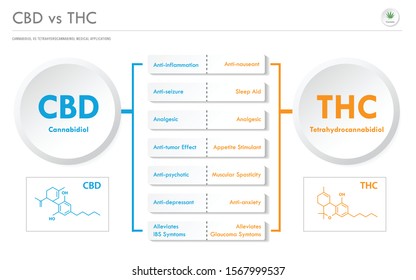
What is the historical significance of Cannabis in traditional medicine?
In his 2008 dissertation — (Gus) Louis Paul Hill noted that there is a paucity of literature on Indigenous approaches to healing within Canada specifically, and little documentation and discussion of Indigenous healing methods in general . Please check your inbox , and spam folder, and follow the link to verify your email address. Enter the email address for your MyAcademies , formerly MyNAP, account to receive password reset instructions. Nevertheless, basic research on cannabinoids and the immune system has produced several intriguing findings that warrant further study. Clinical research will be needed to determine how the different medications would actually interact in patients, however.
Historical Use of Cannabis by Indigenous Peoples
Considered sacred in India, cannabis is primarily ingested as “bhang,” a traditional edible blend made from its buds, leaves, and flowers. These intricate issues underscore the importance of educational resources that can guide patients regarding their healthcare options. As we further examine historical archives and investigate its vast potential, one can envision the extraordinary advancements that this ancient plant may still reveal. The traditional medicinal view of cannabis illustrates a profound appreciation for its therapeutic properties throughout history. By providing this education, patients will be empowered to make knowledgeable decisions about their health and wellness choices.
What difficulties are present today concerning the medicinal application of Cannabis?
Cannabis has served as a substitute for standard pharmaceuticals, which might cause unwanted side effects or be unsuitable for indigenous cultures. For instance (the Iroquois), also referred to as the Haudenosaunee, utilized cannabis in their rituals for engaging with the spirit realm and gaining divine wisdom. Indigenous peoples across North America have a rich history of utilizing cannabis for medicinal and ceremonial purposes.
In addition, the data is anonymized to the greatest extent possible, preventing any direct association with individual consumers. For instance, access to the database is restricted and allowed solely through approved IP addresses, such as those from the headquarters of Royal Queen Seeds. This provider has restricted access to specific account details pertaining to opted-in consent, such as email addresses. The company needs to obtain the name and address information of the consumer to finalize these logistical arrangements.